
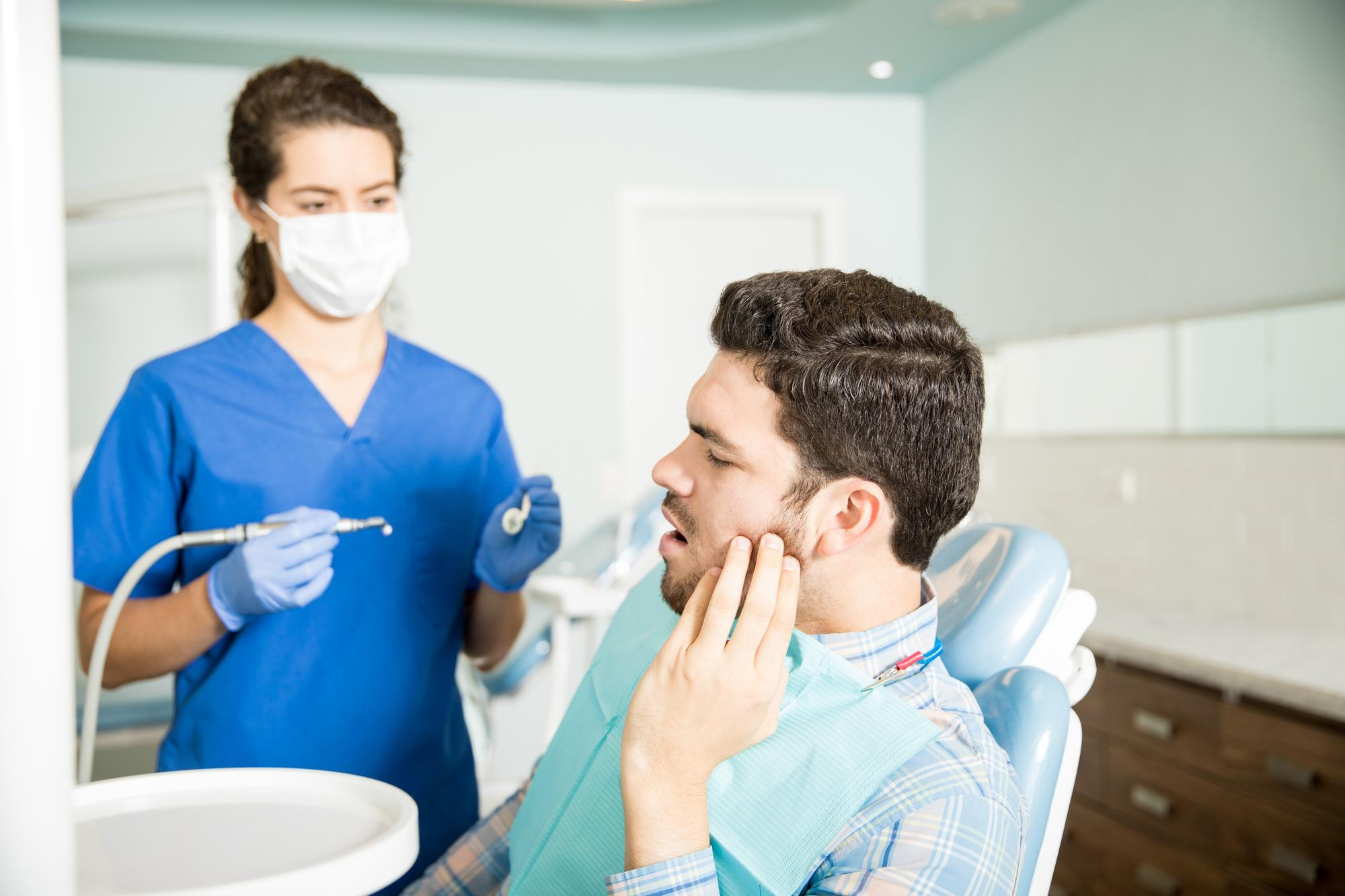
One morning, you wake up with a toothache that just won’t go away. At first, you wonder if it’s a simple sensitivity from something cold you ate the night before. But as the day goes on, the discomfort gets harder to ignore.
Is it just a cavity? A cracked tooth? Or could it be something more serious, like an infection?
For many people, it’s difficult to tell the difference because the symptoms can feel surprisingly similar in the beginning. A mild cavity ache can sometimes feel like sensitivity, while a cracked tooth may only hurt when you bite down. The treatment, however, depends entirely on the actual cause.
Finding the right toothache relief starts with understanding where the pain is coming from.
Let’s understand the most common causes of tooth pain, how the symptoms differ, and when it’s important to see a dentist before the problem gets worse.
What Causes a Toothache?
Tooth pain is usually your body’s way of telling you that something needs attention. But the pain itself is not the actual problem – it’s the symptom. Whether it’s a toothache or cavity, an infection, or a crack in the tooth, the cause determines the kind of treatment you may need.
Your tooth is made up of multiple layers. The outer enamel acts like a protective shield. Underneath is dentin, which is much more sensitive to temperature and pressure. Deep inside is the pulp, where the nerves and blood supply are located. Once irritation or damage reaches these deeper layers, the pain often becomes stronger and harder to ignore.
In this article, we’ll focus on three common causes of tooth pain: cavities, infections, and cracked teeth. Other issues, such as gum disease, sinus pressure, or jaw tension from grinding, can also create discomfort that feels similar.
Understanding the type of pain you’re experiencing can make it easier to find quick and more effective toothache relief and avoid delays in treatment.
Toothache from a Cavity
A cavity is one of the most common reasons behind tooth cavity pain. It develops when bacteria and plaque slowly wear down the enamel, creating a small damaged area or hole in the tooth.
In the beginning, cavities are often painless. That’s why many people don’t realize anything is wrong until the decay reaches deeper layers of the tooth. You may first notice a quick zing when drinking cold water, eating sweets, or sipping hot coffee. The discomfort usually fades quickly once the trigger is gone.
As the cavity gets larger, the pain can become more frequent and noticeable. Some people describe it as a dull ache, while others experience sudden sensitivity that catches them off guard during meals.
You might also notice visible signs like dark spots, rough edges, or even a cavity on top of tooth surfaces that feels unusual when your tongue touches it.
Poor oral hygiene, sugary foods, dry mouth, and skipping dental visits can all increase the risk of decay. Learning how to deal with cavity pain early can help prevent more serious problems later.
Tooth Infection (Abscess): Signs and Risks
Sometimes tooth decay goes beyond the outer layers of the tooth and reaches the inner pulp, where the nerves are located. When bacteria spread into this area, it can lead to an abscess – a serious infection that usually causes intense discomfort.
Unlike the occasional sensitivity of a cavity, abscess tooth pain is often constant, throbbing, and difficult to ignore. Many people say it feels like pressure or pulsing deep inside the tooth, and the pain may spread into the jaw, ear, or even the neck.
There are two common types of abscesses: periapical abscesses, which form near the root tip, and periodontal abscesses, which develop between the tooth and gums.
Along with severe pain, common tooth infection symptoms may include swelling, a pimple-like bump on the gums, fever, swollen lymph nodes, or a bad taste in the mouth.
This is not something that improves on its own. An untreated infection can spread beyond the tooth and affect nearby areas of the face or jaw. If you have swelling, fever, or severe pain, seek dental care immediately.
Cracked Tooth: Hidden but Painful
A cracked tooth can be surprisingly difficult to identify. In many cases, the crack may not even appear clearly on an X-ray, which is why people often confuse it with a cavity, sinus pressure, or general sensitivity.
A crack may happen after biting something hard like ice or popcorn kernels, from grinding your teeth at night, or from long-term wear and tear over time. Some people even notice symptoms after a sudden temperature change, like drinking very hot coffee followed by ice water.
One of the most common cracked tooth symptoms is a sharp, sudden pain when biting down that disappears almost immediately after releasing pressure. Because the pain comes and goes, many people delay getting it checked.
Cracks can range from tiny surface lines to deeper fractures that affect the root or nerve of the tooth. A small crack may only need monitoring or minor treatment, while a deeper cracked tooth with a cavity or internal fracture may require more advanced care.
Ignoring the issue can sometimes lead to worsening damage and more extensive cracked tooth repair later on.
Cavity vs. Infection vs. Cracked Tooth: Key Differences
When you’re in pain, it’s natural to search for symptoms online and try to figure out the cause yourself. But conditions like cavities, infections, and cracked teeth can overlap more than people realize.
For example, all three may cause sensitivity to hot or cold foods. The difference is usually in how the pain behaves and how long it lasts.
A cavity may cause mild or occasional sensitivity that fades quickly. An infection tends to create constant, throbbing pain that becomes difficult to ignore. A cracked tooth, on the other hand, often causes sharp pain only during pressure, like biting or chewing.
If a tooth is cracked, it will not heal on its own. Unlike early-stage decay, which may sometimes be treated conservatively, a crack can worsen over time with everyday use.
Even a tooth decay vs cavity situation can be confusing for patients because both terms are often used interchangeably. The important thing is understanding when symptoms are becoming more serious.
While online research can help, a professional evaluation is still the safest way to determine the real cause and choose the right treatment for lasting toothache relief.
How to Get Toothache Relief at Home
If you’re dealing with discomfort, there are a few simple ways to manage temporary toothache relief at home while waiting to see a dentist.
A cold compress placed on the outside of your cheek can help reduce swelling and numb the area. Apply it for about 20 minutes at a time, especially if the pain feels swollen or throbbing.
A warm saltwater rinse may also help soothe irritation and keep the area cleaner. Some people find it especially helpful after meals when the tooth feels more sensitive.
Try to avoid chewing on the painful side, and stay away from foods or drinks that trigger discomfort, especially anything very hot, cold, or sugary.
Most importantly, don’t ignore ongoing pain. Whether it’s tooth pain from a cavity, infection, or a crack, pain usually means the tooth needs attention.
When to See a Dentist Immediately
Some symptoms should never be ignored. If your tooth pain lasts more than a day or two, keeps getting worse, or starts interfering with sleep or daily activities, it’s time to schedule a dental visit.
Seek immediate care if you notice facial swelling, fever, chills, difficulty swallowing, or trouble breathing. These may be signs that the infection is spreading and requires urgent attention.
A foul taste in the mouth, pus near the gums, or severe swelling are also warning signs.
In situations like these, searching for a toothache dentist near me and getting timely treatment can help prevent more serious complications.
Conclusion
Tooth pain can have different causes, and each one needs a different kind of care. A cavity, infection, or cracked tooth may start with similar symptoms, but the severity and urgency can vary significantly.
The earlier a problem is identified, the easier it is to treat. Regular dental check-ups can help diagnose issues before they become painful or more complicated.
If you’re experiencing ongoing discomfort or looking for lasting toothache relief, don’t wait too long to have it evaluated. Schedule a dental visit and get the care you need.